Introduction
Mental health treatment encompasses a comprehensive range of therapeutic interventions designed to address psychological, emotional, and behavioral challenges that affect daily functioning and overall well-being. These treatments include psychotherapy, medication management, specialized therapeutic programs, and innovative approaches that help individuals overcome conditions such as depression, anxiety disorders, bipolar disorder, trauma-related conditions, eating disorders, and addiction.
Switzerland has established itself as a global leader in mental health care, combining cutting-edge medical expertise with a holistic approach to wellness that reflects the country’s commitment to quality healthcare. Swiss mental health facilities are renowned for their personalized treatment programs, innovative therapeutic techniques, and serene healing environments that promote recovery and long-term wellness.
Individuals who may benefit from mental health treatment in Switzerland include those experiencing persistent mental health symptoms that interfere with daily life, patients seeking specialized care not available in their home countries, individuals requiring intensive or residential treatment programs, and those looking for innovative therapeutic approaches in a supportive, confidential environment. Switzerland’s mental health services cater to international patients seeking both acute intervention and ongoing mental wellness support.
About the Treatment
Mental health treatment in Switzerland encompasses a multi-faceted approach that integrates traditional psychiatric care with innovative therapeutic modalities. Treatment typically begins with comprehensive psychological and psychiatric assessments conducted by specialized teams that may include psychiatrists, clinical psychologists, neurologists, and other mental health professionals.
Swiss mental health facilities offer diverse treatment modalities including individual psychotherapy using evidence-based approaches such as cognitive-behavioral therapy (CBT), dialectical behavior therapy (DBT), and psychodynamic therapy. Group therapy sessions, family therapy, and specialized programs for specific conditions form integral components of comprehensive treatment plans.
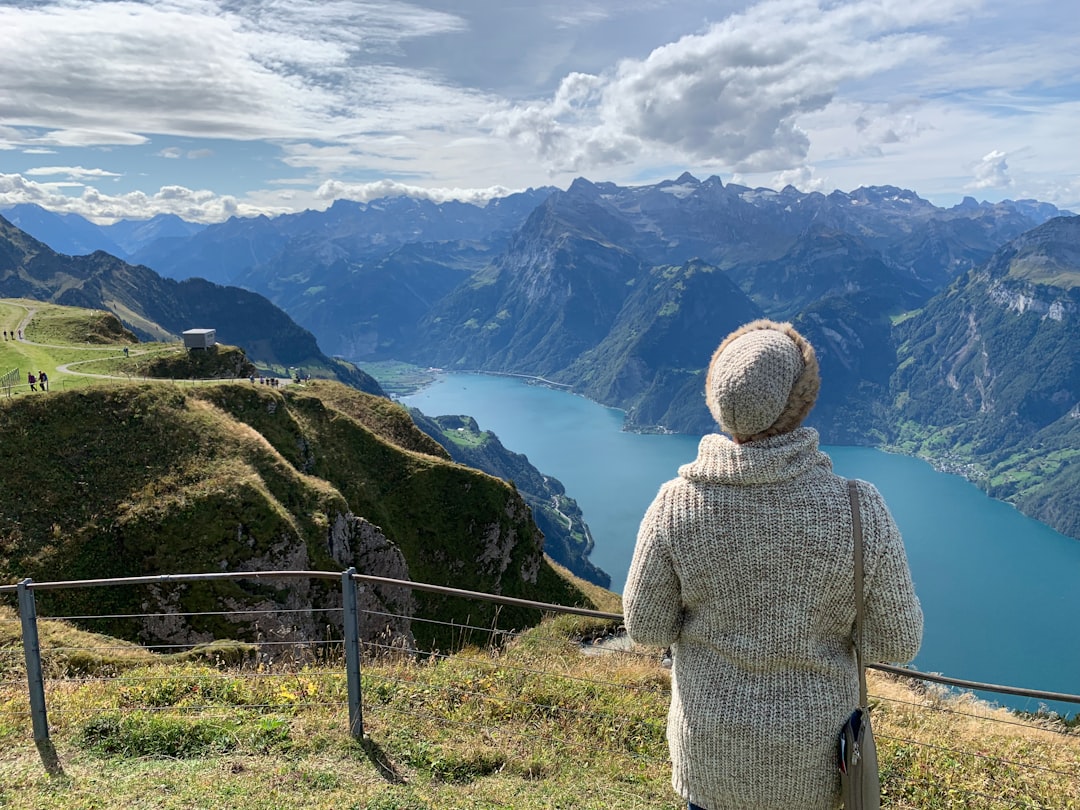
The country’s mental health sector has pioneered several innovative approaches, including the integration of nature-based therapies that leverage Switzerland’s pristine alpine environment. Many facilities incorporate outdoor therapy sessions, wilderness therapy programs, and mindfulness practices conducted in natural settings, recognizing the therapeutic benefits of Switzerland’s mountains, lakes, and forests.
Swiss clinics also lead in the application of advanced neurotechnology, including neurofeedback therapy, transcranial magnetic stimulation (TMS), and other brain stimulation techniques. These cutting-edge treatments are particularly effective for treatment-resistant depression, anxiety disorders, and various neuropsychiatric conditions.
Digital therapeutics and telemedicine platforms developed by Swiss healthcare technology companies enable continuous monitoring and support between in-person sessions. These platforms often incorporate artificial intelligence to track mood patterns, medication compliance, and treatment progress, ensuring personalized care optimization.
Why Choose Switzerland
Switzerland’s mental health treatment sector benefits from the country’s world-renowned healthcare system, which maintains some of the highest quality and safety standards globally. Swiss mental health facilities must adhere to stringent regulatory requirements overseen by the Federal Office of Public Health (FOPH) and cantonal health authorities, ensuring consistent excellence in care delivery.
The country attracts leading mental health specialists from around the world, creating multidisciplinary teams with extensive expertise in treating complex psychiatric conditions. Many Swiss psychiatrists and psychologists have trained at top international institutions and bring diverse perspectives to treatment approaches. This expertise is particularly valuable for patients with treatment-resistant conditions or complex comorbidities.
Swiss mental health facilities feature state-of-the-art technology and therapeutic environments designed to promote healing and recovery. Many clinics are situated in tranquil settings that enhance the therapeutic experience, from lakeside facilities to mountain retreats that provide peaceful environments conducive to mental wellness.
The integration of research and clinical practice in Swiss mental health care means patients often have access to the latest treatment innovations and may participate in cutting-edge research studies. This commitment to advancing mental health science translates into superior outcomes for patients seeking comprehensive care.
Switzerland’s approach to mental health treatment emphasizes patient privacy and confidentiality, with robust legal protections that make it an attractive destination for individuals seeking discreet, high-quality care. The country’s political stability and neutral status also contribute to a secure environment for sensitive mental health treatment.
What to Expect
Pre-treatment preparation for mental health care in Switzerland typically begins with detailed consultations that may be conducted remotely or in-person. Patients undergo comprehensive assessments including psychological evaluations, medical history reviews, and sometimes neuropsychological testing to develop personalized treatment plans.
International patients receive extensive support in preparing for their treatment journey, including assistance with travel arrangements, accommodation options, and coordination of care with their home country healthcare providers. Many Swiss mental health facilities offer dedicated international patient coordinators who facilitate smooth transitions into treatment programs.
The treatment process varies significantly depending on individual needs and may range from intensive outpatient programs to residential treatment lasting several weeks or months. Typical treatment days include individual therapy sessions, group activities, medication management consultations, and various complementary therapies such as art therapy, music therapy, or movement therapy.
Swiss mental health facilities often incorporate wellness activities including mindfulness training, yoga, nutritional counseling, and physical fitness programs. These holistic approaches address the interconnection between mental and physical health, promoting comprehensive recovery and long-term wellness strategies.
Recovery and aftercare planning begins early in the treatment process, with teams developing detailed transition plans that include ongoing therapy recommendations, medication management protocols, and support system activation. Many Swiss facilities maintain long-term relationships with patients through follow-up programs and continued care coordination.
Treatment timelines vary considerably based on condition severity and individual response to interventions. Intensive outpatient programs may span several weeks, while comprehensive residential programs can extend from one to six months. Ongoing outpatient support may continue for extended periods to ensure sustained recovery and prevent relapse.
Finding the Right Provider
Selecting appropriate mental health providers in Switzerland requires careful consideration of several key factors. Look for facilities with specialized expertise in treating your specific condition, as Swiss mental health care includes highly specialized centers focusing on particular disorders such as eating disorders, addiction, trauma, or mood disorders.
Verify that providers maintain proper accreditations from Swiss healthcare authorities and hold certifications from relevant professional organizations. Many leading Swiss mental health facilities are affiliated with universities or research institutions, indicating commitment to evidence-based practices and continuous improvement.
When evaluating potential providers, ask about their treatment philosophies, specific therapeutic approaches utilized, staff-to-patient ratios, and integration of innovative technologies. Inquire about their experience treating international patients and their ability to provide care in your preferred language.
Important questions include: What specific training and certifications do treating physicians and therapists hold? How are treatment plans individualized and modified based on patient progress? What support services are available for international patients and their families? How is continuity of care maintained after treatment completion?
Consider the facility’s physical environment and amenities, as these factors significantly impact the therapeutic experience. Some patients thrive in urban clinical settings, while others benefit from rural retreat-style environments that characterize many Swiss mental health facilities.
Request detailed information about treatment outcome measures and follow-up protocols. Reputable Swiss mental health providers maintain comprehensive data on treatment effectiveness and can discuss realistic expectations for recovery and long-term outcomes.
Cost Considerations
Mental health treatment costs in Switzerland vary significantly based on treatment type, duration, facility choice, and level of accommodation selected. Factors influencing costs include the intensity of care required, length of stay for residential programs, specific therapies included, and additional services such as family therapy or specialized assessments.
Comprehensive treatment programs typically include psychological and psychiatric assessments, individual and group therapy sessions, medication management, nursing care when needed, meals and accommodation for residential programs, and discharge planning services. Some facilities include recreational therapy, wellness activities, and educational workshops in their standard programs.
International patients should factor in additional expenses such as travel costs, extended accommodation for family members, translation services if needed, and potential costs associated with continuing care upon returning home. Some facilities offer package rates that include various services, while others charge for components separately.
Insurance coverage for mental health treatment varies considerably depending on your insurance provider and policy specifics. Some international insurance plans provide coverage for mental health treatment abroad, particularly when treatment is not available in the patient’s home country or when specialized care is medically necessary.
Before committing to treatment, obtain detailed cost estimates that outline all included services and potential additional charges. Many Swiss facilities offer financial counseling services to help international patients understand costs and explore payment options, including payment plans that can make comprehensive treatment more accessible.
Consider the long-term value of high-quality mental health treatment, as effective intervention can significantly improve quality of life, work productivity, and overall functioning, potentially offsetting initial treatment investments through improved life outcomes.
FAQ
How long do mental health treatment programs typically last in Switzerland?
Treatment duration varies significantly based on individual needs and condition severity. Intensive outpatient programs may span 2-6 weeks, while comprehensive residential programs typically range from 4-12 weeks. Some specialized treatments for complex conditions may extend to 6 months or longer. Swiss facilities emphasize individualized treatment planning, adjusting duration based on patient progress and therapeutic goals.
Can family members be involved in treatment programs?
Yes, most Swiss mental health facilities actively encourage family involvement when appropriate and beneficial for patient recovery. Family therapy sessions, educational workshops, and family weekend programs are commonly available. Facilities often provide guidance on how families can best support recovery while maintaining healthy boundaries and communication patterns.
What languages are available for therapy sessions?
Swiss mental health facilities typically offer services in German, French, Italian, and English, reflecting the country’s multilingual nature. Many facilities can also arrange therapy in other languages through qualified interpreters or multilingual therapists. It’s important to confirm language availability when selecting a treatment provider to ensure effective communication throughout treatment.
Are there specialized programs for specific mental health conditions?
Switzerland offers highly specialized treatment programs for various conditions including eating disorders, addiction, trauma and PTSD, bipolar disorder, personality disorders, and treatment-resistant depression. Many facilities focus on specific patient populations such as adolescents, executives, or healthcare professionals, providing targeted interventions that address unique challenges and circumstances.
How is medication management handled for international patients?
Swiss psychiatrists work closely with patients and their home country physicians to ensure smooth medication transitions and ongoing management. Facilities typically provide detailed medication reports and recommendations for continued care. Patients receive guidance on obtaining prescribed medications in their home countries and maintaining therapeutic levels during transition periods.
What happens if treatment needs to be extended beyond the original plan?
Swiss mental health facilities maintain flexible approaches to treatment duration, extending programs when clinically indicated for optimal patient outcomes. Extended treatment plans are developed collaboratively with patients and families, with clear goals and timelines established. Facilities work with patients to address practical considerations such as accommodation, insurance coverage, and coordination with home country responsibilities.
Conclusion
Mental health treatment in Switzerland represents the pinnacle of psychiatric and psychological care, combining world-class medical expertise with innovative therapeutic approaches in healing environments that promote comprehensive recovery and long-term wellness. The country’s commitment to excellence, patient-centered care, and cutting-edge treatment modalities makes it an ideal destination for individuals seeking transformative mental health intervention.
Switzerland’s mental health sector offers hope and healing for patients with complex psychiatric conditions, treatment-resistant disorders, and those seeking specialized care not available elsewhere. The integration of traditional therapeutic approaches with innovative technologies, combined with the country’s emphasis on holistic wellness, creates unparalleled opportunities for recovery and personal growth.
Ready to explore mental health treatment options in Switzerland? SwissHealthcare.com serves as your independent platform for connecting with leading mental health facilities throughout Switzerland. Our comprehensive database allows you to compare treatment programs, research provider credentials, and find the specialized care that best matches your individual needs.
Through our personalized assistance, you’ll receive expert guidance in navigating Switzerland’s exceptional mental health care system, from initial consultations through treatment completion and aftercare planning. Trust SwissHealthcare.com to connect you with reputable providers who can deliver the high-quality, compassionate mental health care you deserve in one of the world’s most trusted healthcare systems.
—
Medical Disclaimer: The information provided in this article is for educational purposes only and should not be considered as medical advice. Mental health conditions require professional evaluation and treatment. Always consult with qualified healthcare providers and mental health professionals for personalized medical advice, diagnosis, and treatment recommendations specific to your individual circumstances.
