Medical Tourism in Switzerland: Complete Guide
Switzerland has emerged as one of the world’s premier medical tourism destinations, attracting patients from across the globe seeking exceptional healthcare services in a setting renowned for precision, innovation, and discretion. This Alpine nation combines cutting-edge medical technology with centuries-old traditions of hospitality, creating an environment where healing extends beyond clinical treatment to encompass comprehensive wellness and recovery.
The Swiss healthcare system consistently ranks among the top three globally, offering international patients access to world-class medical facilities, pioneering treatments, and a standard of care that reflects the country’s commitment to excellence in every detail. From complex cardiac procedures to advanced cancer treatments, from precision cosmetic surgery to innovative fertility solutions, Switzerland provides a comprehensive range of medical services delivered by internationally trained specialists in state-of-the-art facilities.
What sets medical tourism in Switzerland apart is the integration of clinical excellence with the country’s natural therapeutic environment. Patients can recover in pristine Alpine settings, benefit from clean air and water, and experience a healthcare culture that prioritizes both medical outcomes and patient dignity. This unique combination of advanced medicine and natural healing environments makes Switzerland an increasingly attractive choice for discerning medical tourists seeking the highest standards of care.
Healthcare Infrastructure
Switzerland’s healthcare infrastructure represents the pinnacle of medical excellence, built upon a foundation of continuous innovation, substantial investment, and unwavering commitment to quality. The country hosts approximately 280 hospitals and numerous specialized clinics, many of which maintain international accreditations and serve patients from around the world.
Hospitals and Clinics
The Swiss healthcare landscape features a diverse network of public hospitals, private clinics, and specialized medical centers, each offering distinct advantages to international patients. University hospitals in Zurich, Geneva, Basel, Bern, and Lausanne serve as major medical centers, combining clinical excellence with research leadership and teaching responsibilities. These institutions often pioneer new treatments and maintain expertise in complex, rare conditions.
Private clinics throughout Switzerland cater specifically to international patients, offering personalized care, luxury amenities, and streamlined services designed for medical tourists. Facilities like Clinique La Prairie, Hirslanden Group hospitals, and Swiss Medical Network provide premium healthcare experiences with dedicated international patient departments, multilingual staff, and concierge-level services.
Specialized centers focus on specific medical areas, such as cardiac surgery centers in Zurich and Geneva, orthopedic clinics in the Swiss Alps, and fertility centers with international reputations. These facilities often combine medical expertise with location-specific advantages, such as rehabilitation centers positioned to utilize Switzerland’s natural therapeutic environments.
Medical Specialties
Switzerland excels across virtually all medical specialties, with particular international recognition in several key areas. Cardiovascular medicine represents one of the country’s strongest specialties, with Swiss cardiac surgeons pioneering minimally invasive techniques and complex procedures. Cancer treatment centers offer comprehensive oncology services, including advanced radiation therapy, precision medicine approaches, and innovative immunotherapy protocols.
Orthopedics and sports medicine benefit from Switzerland’s active lifestyle culture and Alpine environment, with specialists experienced in treating both professional athletes and active individuals. Fertility medicine has gained international prominence, with Swiss clinics offering cutting-edge reproductive technologies and personalized treatment protocols.
Neurological specialties, including neurosurgery and stroke treatment, leverage Switzerland’s research institutions and technology partnerships to provide advanced care for complex conditions. Plastic and reconstructive surgery combines medical necessity with aesthetic excellence, reflecting Swiss attention to detail and precision.
Technology and Facilities
Swiss medical facilities invest heavily in the latest medical technologies, often adopting innovations before they become standard elsewhere. Advanced imaging capabilities, including the newest generation MRI and CT systems, provide detailed diagnostic information while minimizing patient discomfort and exposure.
Robotic surgery systems enable minimally invasive procedures across multiple specialties, from cardiac surgery to orthopedics. Switzerland’s precision manufacturing heritage translates into medical device innovation, with many facilities utilizing Swiss-engineered medical equipment designed for accuracy and reliability.
Laboratory services meet the highest international standards, with many facilities maintaining ISO certifications and participating in international quality assurance programs. Genetic testing and personalized medicine capabilities reflect Switzerland’s position at the forefront of precision healthcare delivery.
Quality of Care
The quality of medical care in Switzerland reflects the nation’s broader cultural commitment to excellence, precision, and continuous improvement. This dedication to quality permeates every aspect of the healthcare system, from initial patient consultation through treatment delivery and follow-up care.
Swiss Healthcare Standards
Swiss healthcare standards exceed international benchmarks across multiple quality indicators. Patient safety protocols incorporate multiple verification systems and continuous monitoring to prevent adverse events. Infection control measures maintain some of the world’s lowest hospital-acquired infection rates through rigorous hygiene protocols and staff training programs.
Clinical outcomes in Switzerland consistently rank among the world’s best, with survival rates for major conditions like cancer and cardiac disease exceeding international averages. This success reflects both the quality of medical intervention and the comprehensive support systems that ensure patients receive appropriate care throughout their treatment journey.
Medical professionals in Switzerland undergo extensive training and continuous education requirements that exceed many other countries’ standards. Physicians often train internationally and bring diverse expertise to Swiss practice, while maintaining certification requirements that ensure current knowledge and skills.
Accreditations
Swiss medical facilities pursue and maintain prestigious international accreditations that verify their commitment to quality and patient safety. Joint Commission International (JCI) accreditation provides international recognition of quality management systems and patient safety protocols. Many Swiss facilities also maintain ISO certifications for quality management and specific medical services.
European quality standards, including CE marking for medical devices and FACT accreditation for cellular therapy programs, ensure that Swiss facilities meet or exceed international requirements. Professional organizations provide specialty-specific accreditations that verify expertise in particular medical areas.
These accreditations undergo regular renewal processes that require demonstrated continuous improvement and adherence to evolving best practices. International patients can therefore be confident that accredited Swiss facilities maintain current quality standards and safety protocols.
International Recognition
Switzerland’s reputation for medical excellence extends well beyond its borders, with international medical organizations regularly recognizing Swiss contributions to healthcare advancement. Medical journals frequently publish research from Swiss institutions, and Swiss physicians serve in leadership roles in international medical societies.
Healthcare quality rankings consistently place Switzerland among the top healthcare systems globally, reflecting both clinical outcomes and patient satisfaction measures. This international recognition attracts medical professionals from around the world to train and practice in Switzerland, creating a diverse, highly skilled medical workforce.
For International Patients
Switzerland has developed comprehensive support systems specifically designed to meet the unique needs of international patients, recognizing that medical tourism requires attention to cultural, linguistic, and logistical considerations that extend well beyond clinical care.
Language Services
Swiss medical facilities typically offer services in multiple languages, reflecting the country’s multilingual population and international patient base. Professional medical interpreters provide real-time translation services during consultations and procedures, ensuring clear communication between patients and medical teams.
Many physicians and nursing staff speak English, German, French, and often additional languages, facilitating direct communication with international patients. Written materials, including treatment information and discharge instructions, are commonly available in multiple languages to ensure patients understand their care completely.
Advanced facilities may provide cultural liaisons who understand both medical terminology and cultural nuances, helping patients navigate not only language differences but also cultural expectations and communication styles that can affect the healthcare experience.
Patient Support
International patient coordinators serve as primary contacts for medical tourists, managing everything from initial inquiries through treatment completion and follow-up care. These professionals understand both medical processes and the practical needs of international patients, providing comprehensive support throughout the medical tourism journey.
Services typically include treatment scheduling, accommodation arrangements, transportation coordination, and communication with home healthcare providers. Patient coordinators often assist with insurance documentation, medical record translation, and coordination of any required follow-up care in patients’ home countries.
24/7 support services ensure that international patients can access assistance at any time, addressing concerns or questions that may arise during treatment or recovery periods. This continuous support helps reduce stress and anxiety associated with receiving medical care in a foreign country.
Cultural Considerations
Swiss healthcare culture emphasizes patient dignity, privacy, and informed decision-making, values that generally align well with international patients’ expectations. However, cultural liaisons help bridge any differences in healthcare expectations or communication styles between Swiss medical practice and patients’ home country experiences.
Religious and dietary considerations receive appropriate attention, with facilities typically accommodating various religious practices and nutritional requirements. Private rooms and flexible visiting policies help accommodate different cultural approaches to family involvement in medical care.
Swiss punctuality and attention to detail in healthcare delivery may differ from some patients’ previous medical experiences, and patient coordinators help set appropriate expectations for appointment scheduling, treatment timelines, and communication protocols.
Accessibility
Swiss medical facilities generally provide excellent accessibility for patients with mobility limitations or special needs. Modern facilities incorporate universal design principles that ensure all patients can access services comfortably and safely.
Transportation services, including specialized medical transport when necessary, ensure that international patients can travel safely to and from medical appointments. Many facilities offer or coordinate airport pickup services and provide transportation during the treatment period.
Accommodation options frequently include accessible rooms and services designed for patients with various physical needs. Patient coordinators can arrange specialized equipment or services that individual patients may require during their stay in Switzerland.
Practical Information
Planning medical treatment in Switzerland requires attention to numerous practical details that can significantly impact the overall experience. Understanding transportation options, accommodation choices, and local amenities helps international patients prepare effectively for their medical tourism journey.
Getting There
Switzerland’s central European location and excellent transportation infrastructure make it easily accessible from virtually anywhere in the world. Zurich Airport serves as the primary international gateway, offering direct flights from major cities across Europe, North America, Asia, and the Middle East. Geneva Airport provides an alternative entry point, particularly convenient for patients seeking treatment in western Switzerland.
The Swiss rail system, renowned for punctuality and efficiency, connects airports to major medical centers throughout the country. High-speed trains provide comfortable, reliable transportation, and many medical facilities offer or coordinate train station pickup services for international patients.
For patients requiring special medical assistance during travel, Swiss International Air Lines and other carriers serving Switzerland provide comprehensive medical travel services, including oxygen support, stretcher services, and coordination with ground medical transport as needed.
Accommodation Options
Switzerland offers diverse accommodation options to meet varying needs and preferences of medical tourists and their accompanying family members. Luxury hotels near major medical centers provide premium amenities and services, often including concierge assistance with medical appointment coordination and local navigation.
Medical hotels, specifically designed for recovering patients, combine hotel-level comfort with medical support services. These facilities typically offer nursing support, special dietary options, and environments designed to promote healing and recovery.
Apartment-style accommodations provide longer-term options for patients requiring extended treatment periods or recovery time. These options offer more space and privacy while maintaining proximity to medical facilities and support services.
Many medical facilities maintain partnerships with nearby accommodations, potentially offering special rates or services for their patients. Patient coordinators can provide recommendations and assistance with booking appropriate accommodation based on individual needs and preferences.
Local Amenities
Swiss cities and towns offer excellent amenities that can enhance the medical tourism experience for patients and their families. Shopping districts in major cities provide everything from daily necessities to luxury goods, while local markets offer fresh, high-quality food options that support healthy recovery.
Cultural attractions, including museums, galleries, and historical sites, provide opportunities for family members to engage in meaningful activities during patient treatment periods. Many attractions offer accessibility accommodations for patients with mobility limitations who wish to participate in cultural activities during recovery.
Pharmacies throughout Switzerland maintain high standards and stock international medications, though patients should coordinate with their medical teams regarding any specific medication requirements. Many pharmacists speak multiple languages and can assist international patients with medication questions.
Banking services, including international ATMs and currency exchange, are readily available throughout Switzerland. Most establishments accept major international credit cards, though patients should notify their banks of travel plans to avoid any card usage issues.
Recovery Environment
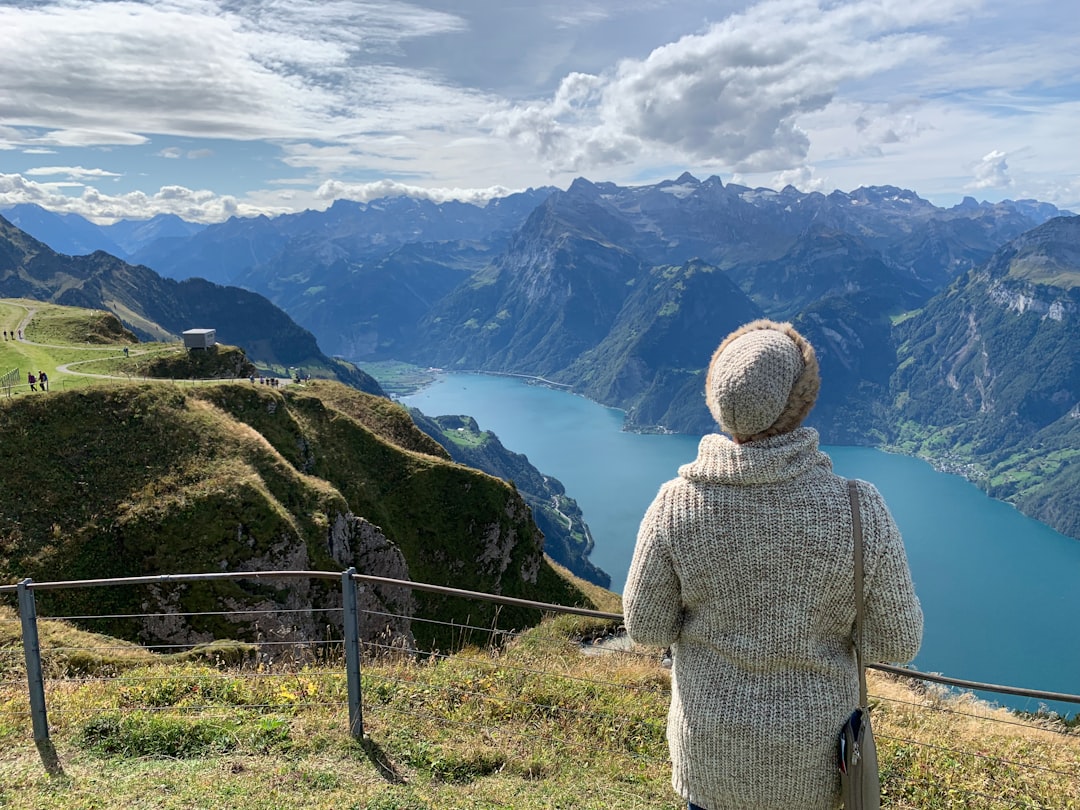
Switzerland’s natural environment provides an exceptional setting for medical recovery and rehabilitation. Clean mountain air, pristine water sources, and low pollution levels create conditions that support healing and wellness beyond clinical treatment.
The Alpine environment offers opportunities for graduated physical activity during recovery, from gentle walking paths to more challenging hiking trails as patients regain strength. Many rehabilitation programs incorporate Switzerland’s natural environment into treatment protocols, particularly for orthopedic and cardiac recovery.
Thermal spas and wellness centers throughout Switzerland provide therapeutic services that can complement medical treatment. These facilities often offer medical spa services, physiotherapy, and wellness programs designed to support recovery and promote overall health.
The peaceful, low-stress environment that characterizes much of Switzerland can significantly benefit patients recovering from major medical procedures or dealing with serious health conditions. This tranquil setting, combined with Swiss hospitality traditions, creates an atmosphere conducive to healing and restoration.
Why Patients Choose This Location
International patients choose Switzerland for medical tourism for compelling reasons that extend beyond clinical excellence to encompass comprehensive healthcare experiences that prioritize both medical outcomes and patient wellbeing.
Key Advantages
Switzerland’s primary advantage lies in its combination of cutting-edge medical technology with personalized, patient-centered care delivery. This synthesis ensures that patients receive the most advanced treatments available while experiencing the individualized attention and support that promotes optimal outcomes.
Privacy and discretion represent significant advantages for many international patients, particularly those in public positions or seeking sensitive treatments. Swiss culture naturally emphasizes privacy, and medical facilities maintain strict confidentiality protocols that protect patient information and identity.
The stability and reliability of Swiss institutions provide confidence for patients making significant healthcare investments. Political stability, economic strength, and consistent healthcare quality create an environment where patients can focus on treatment and recovery without concerns about external factors that might affect their care.
Switzerland’s research and innovation leadership means that patients often have access to the newest treatments and technologies before they become widely available elsewhere. This early access can be particularly valuable for patients with complex or rare conditions that may benefit from innovative approaches.
Patient Experience
The patient experience in Switzerland typically exceeds expectations due to attention to details that extend well beyond clinical care. From initial contact through treatment completion and follow-up, Swiss medical facilities prioritize patient comfort, communication, and satisfaction.
Comprehensive treatment approaches address not only specific medical conditions but also overall patient wellbeing. This holistic perspective often includes nutritional support, psychological counseling, and rehabilitation services that support complete recovery and long-term health.
Family support services recognize that medical treatment affects not only patients but also their loved ones. Many Swiss medical facilities provide family accommodations, communication services, and support programs that help families navigate the medical tourism experience together.
Quality of life during treatment receives significant attention, with facilities designed to create healing environments that promote comfort and reduce stress. This focus on patient experience contributes to both satisfaction and clinical outcomes.
Support Services
Comprehensive support services distinguish Swiss medical tourism from other destinations by addressing every aspect of the international patient experience. Pre-treatment planning services help patients understand their options, prepare for treatment, and coordinate logistics effectively.
During treatment, continuous support ensures that patients have access to assistance whenever needed. This includes medical interpretation, care coordination, and practical assistance with daily needs that may arise during treatment and recovery.
Post-treatment support extends the relationship between Swiss medical providers and international patients beyond the immediate treatment period. Follow-up care coordination, communication with home healthcare providers, and ongoing monitoring help ensure long-term success and patient satisfaction.
Emergency support services provide peace of mind for international patients who may be concerned about receiving medical care far from home. These services ensure that patients can access appropriate care and support regardless of circumstances that may arise during their stay in Switzerland.
Frequently Asked Questions
What makes Swiss healthcare different from other medical tourism destinations?
Swiss healthcare combines cutting-edge medical technology with personalized care delivery in a stable, privacy-focused environment. The integration of advanced clinical capabilities with natural healing environments, exceptional patient support services, and cultural emphasis on precision and quality creates a unique medical tourism experience that addresses both medical needs and overall wellbeing.
How much does medical treatment cost in Switzerland compared to other countries?
Switzerland typically represents a premium medical tourism destination with costs reflecting the high quality of care, advanced technology, and comprehensive support services provided. While initial treatment costs may be higher than some other destinations, the comprehensive nature of Swiss medical care, including follow-up support and quality assurance, often provides excellent value for patients seeking the highest standards of medical care.
Do Swiss medical facilities accept international insurance?
Many Swiss medical facilities work with international insurance providers and can assist patients with insurance pre-authorization and claims processing. However, coverage varies significantly between insurance plans and treatments. Patients should coordinate with both their insurance providers and chosen medical facilities to understand coverage options and payment requirements before beginning treatment.
What languages are spoken in Swiss medical facilities?
Swiss medical facilities typically provide services in German, French, Italian, and English, reflecting the country’s multilingual population and international patient base. Many physicians and staff members speak multiple languages, and professional medical interpretation services are available for patients who require communication support in other languages.
How long should I plan to stay in Switzerland for medical treatment?
Treatment duration varies significantly depending on the specific medical procedure, individual patient factors, and recovery requirements. Simple procedures may require only a few days, while complex treatments or surgeries may necessitate several weeks for complete treatment and initial recovery. Patient coordinators work with medical teams to provide accurate timeline estimates and help patients plan their stay appropriately, including any recommended recovery time before international travel.
Conclusion
Medical tourism in Switzerland represents the convergence of world-class healthcare, cutting-edge technology, and comprehensive patient support in one of the world’s most beautiful and stable countries. The Swiss commitment to excellence, precision, and innovation creates an environment where international patients can receive exceptional medical care while experiencing the natural therapeutic benefits of the Alpine environment.
The combination of clinical expertise, advanced facilities, and patient-centered care delivery makes Switzerland an ideal choice for discerning medical tourists seeking the highest standards of healthcare. From complex surgical procedures to innovative treatments, Swiss medical facilities provide comprehensive care that addresses both immediate medical needs and long-term health outcomes.
The infrastructure supporting international patients in Switzerland ensures that medical tourism experiences extend well beyond clinical treatment to encompass comprehensive support, cultural sensitivity, and attention to the practical needs of patients traveling from abroad. This holistic approach to medical tourism creates an environment where healing and recovery can occur in optimal conditions.
Ready to explore your medical treatment options in Switzerland? SwissHealthcare.com serves as your independent platform for connecting with leading Swiss medical facilities and comparing treatment options from reputable providers. Our personalized assistance helps international patients navigate the Swiss healthcare system, find appropriate specialists, and coordinate comprehensive care experiences.
Through our commitment to connecting international patients with Switzerland’s world-renowned healthcare system, we provide the guidance and support needed to make informed decisions
